
 TRUSTED CONTENT
2027 prices: RehabSeekers.com Rehab Cost SurveyAll 50 statesCoverage facts checked November 2026
Rehab in the United States typically costs about $40 to $900 a day before insurance, based on prices RehabSeekers.com collected by phone from treatment centers in all 50 states. In the median state, medical detox runs $230–$715 a day, residential treatment $6,000–$27,000 a month, partial hospitalization (PHP) $7,500–$14,000, intensive outpatient (IOP) $3,000–$9,000 and standard outpatient $1,200–$5,000 a month.
These prices come from our own research. RehabSeekers.com commissioned a team of researchers to call addiction treatment centers in every U.S. state and record the prices they quoted. This page brings all 50 states together; each state also has its own cost guide. See how we collected the data.
Daily cost of rehab in the U.S., by level of care
Price range per day before insurance in the median state. The more support and supervision you get, the higher the daily rate.
Source: RehabSeekers.com Rehab Cost Survey, 2027 prices. Median of the lowest and highest prices quoted in each of the 50 states.
On this page
- Rehab costs by level of care
- Average cost of rehab in the U.S.
- Where our prices come from
- Rehab costs by state: map
- Cheapest and most expensive states
- All 50 states compared
- Costs by region
- Neighboring states with big price gaps
- Estimate your cost
- Cost of each type of care
- Full course of care
- Why prices vary
- Costs not in the price
- Paying with insurance
- Medicaid and Medicare
- Free and state-funded rehab
- Paying without insurance
- How to find your exact cost
- Is rehab worth the cost?
- FAQs
How much does each type of rehab cost in the U.S.?
Rehab costs depend mostly on the level of care. In the median state, residential treatment costs $6,000–$27,000 a month because you live on site with 24-hour care, while standard outpatient care costs $1,200–$5,000 a month because you live at home. Detox is billed by the day, at $230–$715.
| Level of care | Cost per day | Cost per month | Typical length |
|---|---|---|---|
| Medical detox | $230–$715 | $7,000–$21,500 | 3–10 days |
| Residential (inpatient) | $200–$900 | $6,000–$27,000 | 30–90 days |
| Partial hospitalization (PHP) | $250–$470 | $7,500–$14,000 | 2–4 weeks |
| Intensive outpatient (IOP) | $100–$300 | $3,000–$9,000 | 4–12 weeks |
| Standard outpatient | $40–$170 | $1,200–$5,000 | 3 months or longer |
Source: RehabSeekers.com Rehab Cost Survey, 2027 prices collected by phone from treatment centers. “Median state” figures are the median of the lowest and the median of the highest price quoted in each of the 50 states. Monthly figures are based on 30 days of care.
What is the average cost of rehab in the United States?
The typical cost of residential rehab in the U.S. is about $16,500 a month before insurance. That is the median of the typical price in all 50 states, where each state’s typical price is the midpoint of the range its treatment centers quoted. Typical costs for other care are $473 a day for detox, $10,750 a month for PHP, $6,000 for IOP and $3,100 for standard outpatient care.
| Level of care | Typical U.S. cost | Lowest-cost state | Highest-cost state |
|---|---|---|---|
| Medical detox | $473 a day | $400 (8 states) | $600 (Hawaii) |
| Residential (inpatient) | $16,500 a month | $11,500 (Idaho) | $25,500 (California) |
| Partial hospitalization (PHP) | $10,750 a month | $8,500 (Idaho) | $13,500 (4 states) |
| Intensive outpatient (IOP) | $6,000 a month | $5,000 (Idaho) | $7,750 (4 states) |
| Standard outpatient | $3,100 a month | $2,500 (Arkansas, Idaho and Mississippi) | $3,900 (Hawaii) |
Source: RehabSeekers.com Rehab Cost Survey, 2027 prices. We use the median rather than a simple average so that a few very cheap or very expensive states do not skew the national figure.
Where do these rehab prices come from?
Every price on this page comes from the RehabSeekers.com Rehab Cost Survey, an original phone survey. RehabSeekers.com commissioned a team of researchers who called a minimum of five addiction treatment centers in each state, in more than one city per state, and asked what each level of care costs before insurance.
- Coverage: All 50 states, with at least five centers per state, so no single metro area sets a state’s price.
- Services priced: Medical detox, residential treatment, partial hospitalization, intensive outpatient and standard outpatient care.
- State ranges: The cheapest and the most expensive quote for each level of care in a state. They are not averages.
- National figures: “Median state” ranges take the median of the 50 lowest quotes and the median of the 50 highest. A state’s “typical” price is the midpoint of its range, and the national typical price is the median of the 50 midpoints.
- Timing: Calls started in October 2026 for admissions in early 2027, with final checks running through January 2027. If a figure changes, we will update the page.
Because the prices are fresh quotes rather than older estimates adjusted for inflation, they reflect what programs are charging now. Coverage rules come from government sources listed in the Sources section.
How much does rehab cost in each state?
Rehab costs most in the Northeast and the West, plus Florida, and least in much of the South and Midwest, plus Idaho. Typical residential care runs from $11,500 a month in Idaho to $25,500 in California. Use the map to compare any state with the national typical price.
Shading groups the 50 states into five bands (quintiles) by typical price (the midpoint of each state’s quoted range), before insurance. Source: RehabSeekers.com Rehab Cost Survey, 2027 prices.
Which states have the cheapest and most expensive rehab?
Idaho has the cheapest typical residential rehab at $11,500 a month, and California has the most expensive at $25,500. The cheapest states are mostly in the South and Midwest, plus Idaho; the most expensive are mostly in the Northeast and the West, plus Florida.
Cheapest states for residential rehab
Most expensive states for residential rehab
- 1California$25,500/mo
- 2New York$24,000/mo
- 3Hawaii$22,500/mo
- 4Massachusetts, New Jersey$21,500/mo
- 6Nevada$21,000/mo
- 7Florida$20,500/mo
- 8Next: 11 states tied$18,500/mo
Typical monthly price before insurance (midpoint of each state’s quoted range). States with the same typical price share a row and a rank. Source: RehabSeekers.com Rehab Cost Survey, 2027 prices.
The ranking changes a little by level of care. For detox, the lowest typical price is $400 a day (8 states, including Alabama, Arkansas and Delaware) and the highest is $600 a day in Hawaii. For standard outpatient care, typical prices run from $2,500 a month in Arkansas, Idaho and Mississippi to $3,900 in Hawaii.
Rehab costs in all 50 states
The table below lists the full quoted price range for every level of care in all 50 states. Select a column heading to sort states by typical price, and select a state name for its full cost guide.
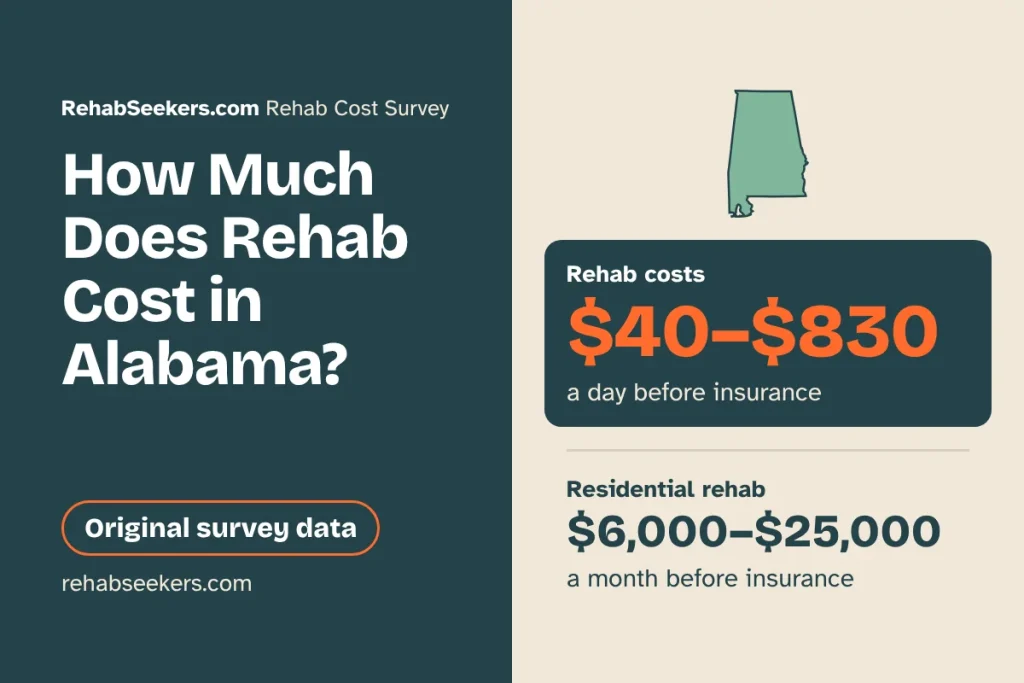
| Alabama | $200–$600 | $6,000–$25,000 | $7,000–$12,000 | $2,500–$8,000 | $1,200–$4,500 |
|---|---|---|---|---|---|
| Alaska | $250–$800 | $6,000–$25,000 | $8,000–$14,000 | $3,000–$10,000 | $1,500–$5,500 |
| Arizona | $250–$800 | $6,000–$25,000 | $8,000–$13,500 | $3,000–$10,000 | $1,500–$5,000 |
| Arkansas | $200–$600 | $5,000–$22,000 | $6,500–$12,000 | $2,500–$8,000 | $1,000–$4,000 |
| California | $230–$800 | $6,000–$45,000 | $7,500–$15,000 | $3,000–$10,000 | $1,200–$5,000 |
| Colorado | $250–$800 | $7,000–$30,000 | $8,000–$15,000 | $3,000–$10,000 | $1,500–$5,500 |
| Connecticut | $250–$800 | $7,000–$30,000 | $8,000–$15,000 | $3,500–$11,000 | $1,500–$6,000 |
| Delaware | $200–$600 | $5,500–$22,000 | $7,000–$12,000 | $2,500–$8,000 | $1,200–$4,500 |
| Florida | $250–$800 | $6,000–$35,000 | $8,000–$15,000 | $3,000–$10,000 | $1,500–$5,500 |
| Georgia | $220–$700 | $6,000–$25,000 | $7,000–$13,500 | $2,500–$9,000 | $1,200–$5,000 |
| Hawaii | $300–$900 | $10,000–$35,000 | $9,000–$18,000 | $3,500–$12,000 | $1,800–$6,000 |
| Idaho | $200–$600 | $5,000–$18,000 | $6,000–$11,000 | $2,500–$7,500 | $1,000–$4,000 |
| Illinois | $230–$730 | $6,000–$28,000 | $7,500–$14,000 | $3,000–$10,000 | $1,300–$5,000 |
| Indiana | $200–$600 | $5,500–$22,000 | $6,500–$12,000 | $2,500–$8,000 | $1,000–$4,500 |
| Iowa | $220–$700 | $6,000–$25,000 | $7,000–$13,000 | $2,500–$8,500 | $1,200–$4,500 |
| Kansas | $200–$600 | $5,500–$22,000 | $6,500–$12,000 | $2,500–$8,000 | $1,000–$4,500 |
| Kentucky | $220–$700 | $6,000–$25,000 | $7,000–$13,000 | $2,500–$8,500 | $1,200–$4,500 |
| Louisiana | $220–$700 | $6,000–$25,000 | $7,000–$13,000 | $2,500–$9,000 | $1,200–$5,000 |
| Maine | $230–$730 | $6,000–$25,000 | $7,500–$14,000 | $3,000–$10,000 | $1,300–$5,000 |
| Maryland | $250–$800 | $7,000–$30,000 | $8,000–$15,000 | $3,000–$10,000 | $1,500–$5,500 |
| Massachusetts | $270–$900 | $8,000–$35,000 | $9,000–$18,000 | $3,500–$12,000 | $1,500–$6,000 |
| Michigan | $230–$700 | $6,000–$27,000 | $7,500–$14,000 | $3,000–$9,000 | $1,200–$5,000 |
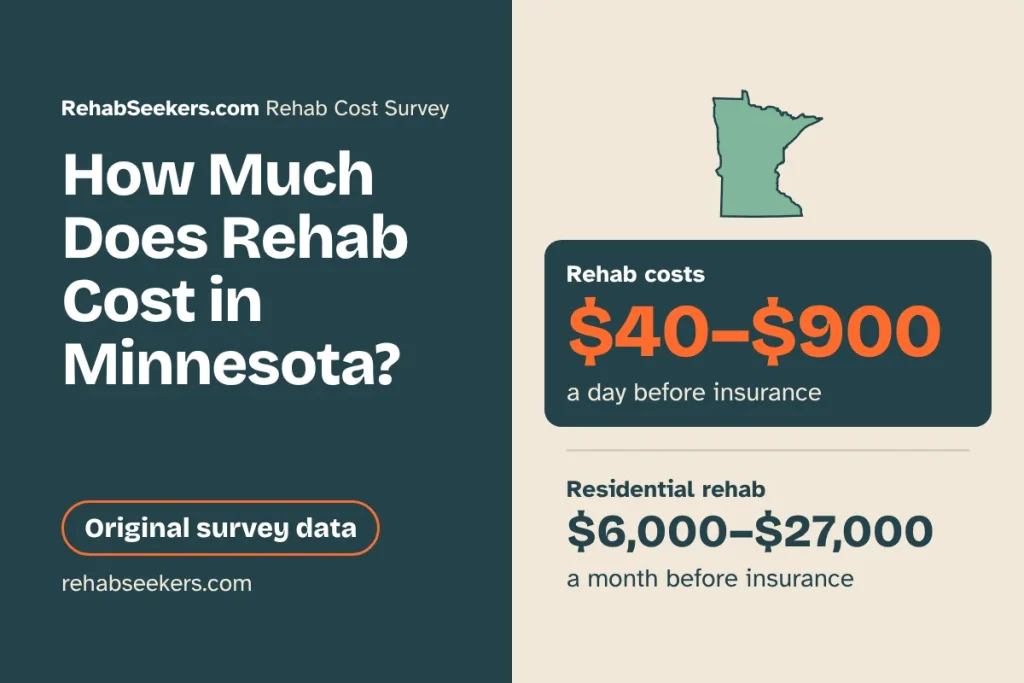
| Minnesota | $230–$730 | $6,000–$27,000 | $7,500–$14,000 | $3,000–$9,000 | $1,200–$5,000 |
| Mississippi | $200–$600 | $5,000–$22,000 | $6,500–$12,000 | $2,500–$8,000 | $1,000–$4,000 |
| Missouri | $220–$700 | $6,000–$25,000 | $7,000–$13,000 | $2,500–$9,000 | $1,200–$5,000 |
| Montana | $230–$800 | $7,000–$30,000 | $7,500–$14,000 | $3,000–$9,000 | $1,200–$5,000 |
| Nebraska | $220–$700 | $6,000–$25,000 | $7,000–$13,000 | $2,500–$8,500 | $1,200–$4,500 |
| Nevada | $250–$800 | $7,000–$35,000 | $8,000–$16,000 | $3,000–$11,000 | $1,500–$6,000 |
| New Hampshire | $250–$800 | $7,000–$30,000 | $8,000–$15,000 | $3,000–$10,000 | $1,500–$5,500 |
| New Jersey | $270–$900 | $8,000–$35,000 | $9,000–$18,000 | $3,500–$12,000 | $1,500–$6,000 |
| New Mexico | $220–$700 | $6,000–$25,000 | $7,000–$13,500 | $2,500–$9,000 | $1,200–$5,000 |
| New York | $270–$900 | $8,000–$40,000 | $9,000–$18,000 | $3,500–$12,000 | $1,500–$6,000 |
| North Carolina | $220–$700 | $6,000–$27,000 | $7,000–$14,000 | $2,500–$9,000 | $1,200–$5,000 |
| North Dakota | $230–$800 | $7,000–$30,000 | $7,500–$14,000 | $3,000–$9,000 | $1,200–$5,000 |
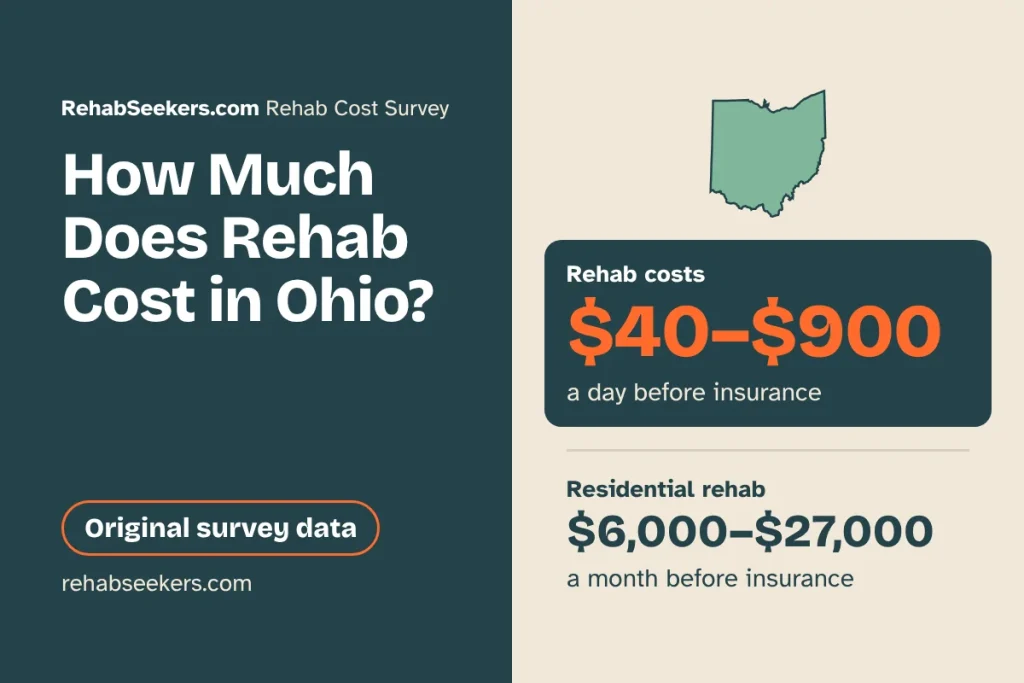
| Ohio | $220–$700 | $6,000–$27,000 | $7,000–$13,500 | $2,500–$9,000 | $1,200–$5,000 |
| Oklahoma | $200–$600 | $5,000–$22,000 | $6,500–$12,000 | $2,500–$8,000 | $1,000–$4,500 |
| Oregon | $250–$800 | $7,000–$30,000 | $8,000–$15,000 | $3,000–$10,000 | $1,500–$5,500 |
| Pennsylvania | $230–$730 | $6,000–$28,000 | $7,500–$14,000 | $3,000–$10,000 | $1,200–$5,000 |
| Rhode Island | $250–$800 | $7,000–$30,000 | $8,000–$15,000 | $3,000–$10,000 | $1,500–$5,500 |
| South Carolina | $220–$700 | $6,000–$25,000 | $7,000–$13,500 | $2,500–$9,000 | $1,200–$5,000 |
| South Dakota | $230–$700 | $6,000–$25,000 | $7,000–$13,000 | $2,500–$8,500 | $1,200–$4,500 |
| Tennessee | $220–$700 | $6,000–$27,000 | $7,000–$14,000 | $3,000–$10,000 | $1,200–$5,000 |
| Texas | $220–$700 | $6,000–$27,000 | $7,000–$14,000 | $3,000–$10,000 | $1,200–$5,000 |
| Utah | $220–$700 | $6,000–$25,000 | $7,000–$13,500 | $2,500–$9,000 | $1,200–$5,000 |
| Vermont | $250–$800 | $7,000–$30,000 | $8,000–$15,000 | $3,000–$10,000 | $1,500–$5,500 |
| Virginia | $230–$730 | $6,000–$28,000 | $7,500–$14,000 | $3,000–$10,000 | $1,200–$5,000 |
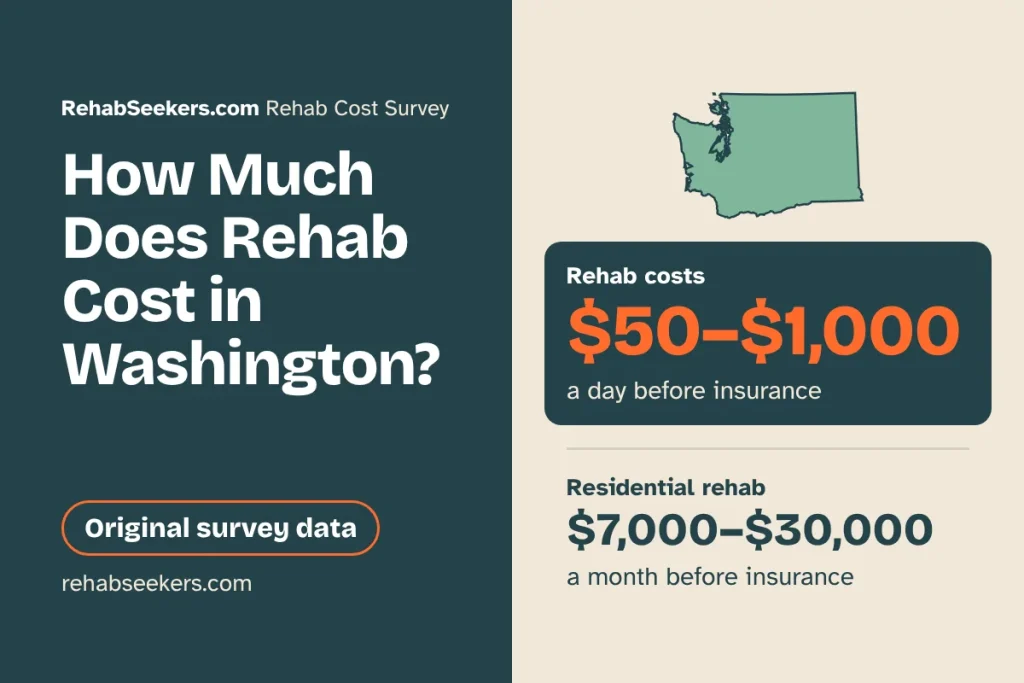
| Washington | $250–$800 | $7,000–$30,000 | $8,000–$15,000 | $3,000–$10,000 | $1,500–$5,500 |
| West Virginia | $220–$700 | $6,000–$27,000 | $7,000–$13,500 | $2,500–$9,000 | $1,200–$5,000 |
| Wisconsin | $230–$700 | $6,000–$27,000 | $7,500–$14,000 | $3,000–$9,000 | $1,200–$5,000 |
| Wyoming | $250–$800 | $7,000–$30,000 | $8,000–$15,000 | $3,000–$10,000 | $1,500–$5,500 |
| U.S. median | $230–$715 | $6,000–$27,000 | $7,500–$14,000 | $3,000–$9,000 | $1,200–$5,000 |
Source: RehabSeekers.com Rehab Cost Survey, 2027 prices, before insurance. Detox is shown per day; other levels of care per month. Sorting uses each state’s typical (midpoint) price.
Does rehab cost more in some regions?
Yes. Typical residential rehab costs $18,500 a month in both the Northeast and the West, about $3,000 more than in the South ($15,500) and $2,500 more than in the Midwest ($16,000). The Northeast and West are also the most expensive regions for detox, PHP, IOP and outpatient care.
| Region | Detox | Residential | PHP | IOP | Outpatient |
|---|---|---|---|---|---|
| Northeast | $525/day | $18,500/mo | $11,500/mo | $6,500/mo | $3,500/mo |
| Midwest | $463/day | $16,000/mo | $10,125/mo | $5,750/mo | $3,100/mo |
| South | $460/day | $15,500/mo | $10,250/mo | $5,750/mo | $3,100/mo |
| West | $525/day | $18,500/mo | $11,250/mo | $6,500/mo | $3,500/mo |
Regions follow the U.S. Census Bureau’s four regions. Each figure is the median typical price of the states in that region. Source: RehabSeekers.com Rehab Cost Survey, 2027 prices.
Price differences track local costs such as wages and property, as well as how many programs compete in an area. The spread inside a state can be just as large: in California, centers quoted residential prices from $6,000 to $45,000 a month, the widest range in the survey. In Idaho, the range was the narrowest, at $5,000–$18,000.
Which neighboring states have the biggest price gaps?
The biggest gap between neighboring states is between California and Arizona, where typical residential rehab differs by $10,000 a month. Big gaps also appear along the borders of high-cost states such as Nevada and New Jersey.
| Neighboring states | Higher-cost state | Lower-cost state | Difference |
|---|---|---|---|
| California and Arizona | $25,500/mo | $15,500/mo | $10,000/mo |
| Nevada and Idaho | $21,000/mo | $11,500/mo | $9,500/mo |
| New Jersey and Delaware | $21,500/mo | $13,750/mo | $7,750/mo |
Another 6 pairs of neighboring states differ by $7,000 a month: California and Oregon; Montana and Idaho; Oregon and Idaho; Washington and Idaho; Wyoming and Idaho; New York and Pennsylvania.
A lower price across the border only helps if your coverage follows you. Private plans may cover out-of-state care in network, but Medicaid and state-funded programs usually pay only for care in your own state. Ask about aftercare too: it is easier to continue outpatient treatment close to home.
Estimate your rehab cost
Choose your state, a level of care and how long you expect to stay. Detox estimates use the daily price, up to 14 days. Other levels of care use the monthly price, prorated by day, so 30 days always equals one month.
Estimates only, before insurance. Not every center offers every level of care.
How much does each level of care cost?
Detox is charged per day, while the other four levels of care are normally quoted per month. Below are median-state prices for each, followed by a table of what the price normally includes.
Medical detox: $230–$715 a day
A detox stay is usually short, 3 to 10 days, so the total in the median state runs $690–$2,145 for three days and $1,610–$5,005 for a week. Detox gets you safely through withdrawal; the treatment that addresses why you use comes afterward, in a residential, PHP or IOP program. Supervised detox matters most for alcohol, benzodiazepines and opioids, because withdrawal from them can be risky.
Residential (inpatient) rehab: $6,000–$27,000 a month
In residential care you live on site, with therapy, medical oversight and meals built into the price. The bill grows with every week you stay, but NIDA’s research finds most individuals need at least 3 months of treatment and do better with longer care, so a modestly priced 90-day program can be a better buy than a premium 30-day one. Compare 30-day, 60-day and 90-day options.
| Length of stay | Estimated total before insurance | Good to know |
|---|---|---|
| 30 days | $6,000–$27,000 | Standard short-term stay; often followed by PHP or IOP |
| 60 days | $12,000–$54,000 | More time to stabilize and practice coping skills |
| 90 days | $18,000–$81,000 | NIDA says most individuals need at least 3 months of treatment |
Partial hospitalization (PHP): $7,500–$14,000 a month
A PHP fills most of the day with treatment, five to six hours on weekdays, but you go home at night or stay in supportive housing. You get close to residential-level therapy for less money, which is why PHP often comes right after detox or a residential stay. Read about partial hospitalization programs.
Intensive outpatient (IOP): $3,000–$9,000 a month
IOP schedules three to five sessions a week, often after work hours, so you can hold onto a job or family duties. It is a common step down from more intensive care and, when 24-hour support isn’t needed, a sensible place to start. See intensive outpatient programs and evening treatment.
Standard outpatient: $1,200–$5,000 a month
The least intensive and least expensive option: a counseling session or two each week. It suits milder substance use or ongoing support after a program ends, and is often paired with medication for opioid use disorder such as buprenorphine or methadone. See outpatient care.
| Level of care | Normally part of the price | Often billed on top |
|---|---|---|
| Medical detox | Arrival assessment, nurses and doctors on call day and night, withdrawal medication, a bed and meals, a referral to the next stage | Blood and urine tests, medication to take home, specialist visits, an ambulance or hospital transfer |
| Residential | Your room and food, one-on-one and group therapy, nursing and medication oversight, skills for avoiding relapse, a discharge plan | A separate detox stage, addiction medication, a psychiatrist for co-occurring conditions, family weeks, private-room or wellness upgrades |
| Partial hospitalization | A structured day of therapy most weekdays, psychiatric and medical reviews, medication oversight, help planning the move to IOP | Sober housing, rides to and from the program, addiction medication, drug screens |
| Intensive outpatient | Several group sessions a week (evenings are common), regular individual counseling, a case manager, links to peer support | Addiction medication, psychiatry visits, drug screens, family counseling |
| Standard outpatient | A weekly or twice-weekly counseling session and a recovery plan you update over time | Prescriber appointments and medication for opioid or alcohol use disorder, drug screens, mental health care |
How much does a full course of rehab cost?
In the median state, a typical step-down path of a week of detox, a month each of residential care and PHP, and two months of IOP adds up to $21,110–$64,005 before insurance. Most of that is the residential month; the later, outpatient stages cost much less per day, so how long you spend in each one shapes the total.
| Stage | Length | Estimated cost before insurance |
|---|---|---|
| Medical detox | 7 days | $1,610–$5,005 |
| Residential treatment | 30 days | $6,000–$27,000 |
| Partial hospitalization | 30 days | $7,500–$14,000 |
| Intensive outpatient | 60 days | $6,000–$18,000 |
| Full course of care | 127 days | $21,110–$64,005 |
Built from RehabSeekers.com Rehab Cost Survey median-state prices. It illustrates one common path, not a quote; a clinical assessment decides your actual plan, and many people skip stages.
Why does the cost of rehab vary so much?
The price you are quoted depends on seven things: your state, the intensity of care, how long you stay, any medical or mental health needs, the setting, whether the program is in your insurance network, and how many clinicians it employs.
| Factor | How it changes the price |
|---|---|
| State | Typical residential prices differ by about $14,000 a month between the cheapest and costliest states. |
| Intensity of care | Round-the-clock residential care is the most expensive; a weekly outpatient session is the least. |
| Length of stay | At the same daily rate, three months costs about three times as much as one. |
| Medical and mental health needs | Supervised withdrawal, addiction medication and dual diagnosis care add to the bill. |
| Setting | Private rooms, gyms and wellness therapies move a program toward the top of its state’s range. |
| Insurance network | In-network programs bill agreed rates; going out of network usually leaves you paying far more. |
| Staffing | More licensed staff and more individual sessions cost more, but buy more personal attention. |
What costs are not included in the price of rehab?
A program’s quote normally covers therapy and medical oversight, plus room and board for residential stays. Several costs often sit outside that quote: medication, tests, travel, care after discharge, sober housing and the income you lose while you are away.
- Medication, including addiction medication you continue after leaving.
- Drug screens and lab tests, which are sometimes billed separately.
- Getting there and back, plus family visits; this adds up if you travel to another state.
- Continuing care such as outpatient therapy, IOP or a recovery coach.
- Sober living or other supportive housing after a residential stay.
- Time away from work. FMLA can protect an eligible employee’s job during treatment, but the leave is unpaid.
How much does rehab cost with insurance?
With coverage, you pay the deductible first, then a copay or coinsurance on each service, until you hit your plan’s annual out-of-pocket limit. For 2027 Marketplace plans, federal rules cap that limit at $12,000 for one person and $24,000 for a family. After that, the plan pays the full cost of covered, in-network care for the rest of the plan year.
| Coverage | What it pays for | Your share |
|---|---|---|
| Employer or private plan | All levels of care your plan lists, from detox to outpatient and medication, once any approval rules are met | Your deductible first, then copays or a percentage of the bill, until you hit the yearly cap |
| Marketplace (ACA) plan | Addiction treatment is one of the ten essential health benefits every Marketplace plan must include | Cost-sharing up to the 2027 ceiling of $12,000 for one person |
| Medicaid | Addiction treatment in every state; each state chooses the levels of care and who qualifies | Usually nothing or a few dollars per service |
| Medicare | Hospital inpatient stays under Part A; outpatient therapy, partial hospitalization, IOP and opioid treatment programs under Part B. Non-hospital residential care is often not covered. | Part A’s inpatient deductible, then typically 20% of the approved amount for Part B services; opioid treatment programs have no copay |
| TRICARE | Detox, inpatient, partial hospitalization, IOP, medication and opioid treatment when medically necessary | Varies with your TRICARE plan |
| Uninsured with a low income | Publicly funded programs run by each state, partly paid for by a federal SAMHSA block grant | Often free or charged on a sliding scale, if you qualify |
Does insurance have to cover rehab?
Every Marketplace plan includes mental health and substance use disorder services among its essential health benefits. On top of that, the federal parity law says most plans that cover addiction treatment can’t make it harder to use than medical care: limits on visits or days, copays and approval rules generally have to be comparable. Find programs by plan on our insurance pages.
Five things to ask your insurer before admission
- Is the program in network, and does that change if it is in another state?
- How much of this year’s deductible is still left?
- What will I owe for each stage: detox, residential, PHP and IOP?
- Does the program need prior approval, and how many days are approved at once?
- What is my annual out-of-pocket limit?
Do Medicaid and Medicare cover rehab?
Both do, within limits. Every state’s Medicaid program pays for addiction treatment, but states decide which levels of care are covered and who qualifies. Medicare pays for treatment in hospitals and for outpatient care, including partial hospitalization, IOP and opioid treatment programs.
- Medicaid. Members usually pay nothing or a small copay. Whether you qualify depends on your state, and in particular on whether it has expanded Medicaid to more low-income adults. Your state cost guide explains the details, or browse rehabs that accept Medicaid.
- Medicare. Part A pays for inpatient care in a general or psychiatric hospital; Part B pays for outpatient therapy, partial hospitalization, IOP and opioid treatment programs, which charge no copay when Medicare-enrolled. Many residential programs aren’t hospitals, so check first. See rehabs that accept Medicare.
- TRICARE. For service members, retirees and their families, it pays for medically necessary detox, inpatient care, PHP, IOP, medication and opioid treatment programs.
Is there free or state-funded rehab?
Yes, if you qualify. Each state pays for treatment for some residents who can’t afford it, with help from SAMHSA’s Substance Use Prevention, Treatment, and Recovery Services Block Grant, which goes to all 50 states. Who qualifies, how long the waits are and which services are funded all vary by state.
Publicly funded programs tend to put residents with low incomes and no coverage first, and places fill up, so reach out early. The RehabSeekers.com directory lists state-funded programs alongside private centers, and every state cost guide describes how that state’s public system works.
How can I pay for rehab without insurance?
No insurance doesn’t mean no options. See whether you qualify for Medicaid, look into publicly funded programs, ask private programs for a cash discount or monthly installments, check for an Employee Assistance Program through work, or use money in a health savings or flexible spending account.
- Start with Medicaid. Depending on your state’s rules, a low income may be enough to qualify.
- Ask for the self-pay price. Programs often charge less when you pay directly.
- Spread the cost. An installment plan can get you into treatment now rather than later; see how to pay for rehab.
- Check for an EAP. These employer programs usually include free, private counseling and referrals.
- Tap an HSA or FSA. Addiction treatment generally counts as a qualified medical expense.
- Shop around. If your assessment allows, IOP costs much less than residential care, and the same care can cost far less one state over.
How do I find out exactly what rehab will cost me?
Three things give you a real number: a clinical assessment, a check of your insurance benefits and a written estimate from the program before you are admitted. Programs usually verify your benefits at no charge; without insurance, ask about cash prices, installments and state funding.
- Start with an assessment. A clinician recommends the level of care for you or a loved one, and that choice sets most of the price.
- Look up your state. Use the map, the 50-state table or your state cost guide to see local quotes.
- Phone your insurer with the questions above, using the number on your card.
- Have the program verify your benefits. It can estimate what the plan pays and what you owe, though a verification isn’t a promise of payment.
- Ask for the estimate in writing, with a list of what is included and what is billed separately.
Is rehab worth the cost?
The evidence says yes. A 2006 NIDA analysis found that each $1 spent on addiction treatment programs saves $4 to $7 in costs linked to drug-related crime, and some outpatient programs return as much as $12 for every $1 once health care savings are counted. Leaving addiction untreated usually costs far more.
The need is large. In 2024, an estimated 48.4 million Americans age 12 and older (16.8%) had a substance use disorder, and of 52.6 million who needed substance use treatment, about 10.2 million received it, according to SAMHSA’s National Survey on Drug Use and Health. The CDC reported 79,384 drug overdose deaths in 2024, down about 24% from 2023. The CDC also puts the cost of excessive drinking at about $249 billion in 2010, mostly in lost productivity and health care.
Frequently asked questions about rehab costs in the U.S.
How much does rehab cost without insurance?
Paying out of pocket, expect roughly $40 to $900 a day in a typical state, according to the RehabSeekers.com survey of all 50 states. For the median state that means $6,000–$27,000 a month for residential care, $230–$715 a day for detox, $7,500–$14,000 a month for PHP, $3,000–$9,000 for IOP and $1,200–$5,000 for standard outpatient care. Installment plans and cash discounts are common.
Read more: https://rehabseekers.com/resources/how-to-pay-for-rehab/
What is the average cost of rehab in the United States?
The typical cost of residential rehab in the U.S. is about $16,500 a month before insurance, the median of the typical price in all 50 states. Typical costs for other care are $473 a day for detox, $10,750 a month for PHP, $6,000 for IOP and $3,100 for standard outpatient. See what drives rehab costs.
Read more: https://rehabseekers.com/resources/drug-and-alcohol-rehab-cost/
How much does 30 days of inpatient rehab cost?
A 30-day residential (inpatient) program costs about $6,000–$27,000 in the median state, before insurance. The typical price ranges from $11,500 a month in Idaho to $25,500 a month in California.
Read more: https://rehabseekers.com/programs/residential/short-term/30-day/
Which state has the cheapest rehab?
Idaho has the lowest typical residential rehab cost in the RehabSeekers.com survey, at $11,500 a month before insurance. For standard outpatient care, the lowest typical price is $2,500 a month, in Arkansas, Idaho and Mississippi. See the cheapest states.
Which state has the most expensive rehab?
California has the highest typical residential rehab cost, at $25,500 a month before insurance, about 2.2 times the cheapest state. Hawaii has the highest typical price for detox and standard outpatient care. See the California rehab cost guide.
Read more: https://rehabseekers.com/resources/rehab-cost-california/
How much does detox cost?
In the median state, medical detox runs $230–$715 a day before insurance. Stays usually last 3 to 10 days, putting a one-week detox at $1,610–$5,005. Budget for the program that follows too, because detox alone isn’t treatment.
Read more: https://rehabseekers.com/programs/detox-centers/medical-detox/
Does health insurance cover rehab?
Usually, yes. All Marketplace plans must cover substance use disorder services as an essential health benefit, and the federal parity law means most plans that cover addiction treatment must cover it in a similar way to medical and surgical care. You still pay your deductible, copays or coinsurance, up to your plan’s out-of-pocket maximum: $12,000 for an individual on 2027 Marketplace plans.
Read more: https://rehabseekers.com/insurance/
Does Medicaid pay for rehab?
Yes, Medicaid pays for substance use treatment, but each state sets which levels of care it covers and who qualifies. Most members pay little or nothing. You usually need a program in your state’s Medicaid network; see rehabs that accept Medicaid and your state’s cost guide for its specific rules.
Read more: https://rehabseekers.com/insurance/medicaid/
Does Medicare cover rehab?
In part. Medicare pays for inpatient treatment in a general or psychiatric hospital under Part A, and for outpatient therapy, partial hospitalization, IOP and opioid treatment programs under Part B. Residential programs that aren’t hospitals are often outside Medicare, so confirm before you enroll.
Read more: https://rehabseekers.com/insurance/medicare/
Is there free rehab in the U.S.?
Yes, for individuals who qualify. Every state funds treatment for some residents who cannot pay, supported in part by a federal SAMHSA block grant. Rules, waiting lists and covered services differ by state. You can find state-funded rehab programs in the RehabSeekers.com directory.
Is it cheaper to go to rehab in another state?
Sometimes. Typical residential prices differ by up to $10,000 a month between neighboring states, such as California and Arizona. But a cheaper program only saves money if your insurance covers it. Medicaid and state-funded programs usually pay only for care in your own state, so check coverage before you travel. Compare rehab centers by state.
Read more: https://rehabseekers.com/locations/us/
Why is rehab so expensive?
You are paying for people and time: nurses and doctors around the clock, licensed therapists, medication, lab work, and for residential programs, housing and meals. That is why residential care costs the most. Private rooms, extra therapies and amenities push prices higher still.
Read more: https://rehabseekers.com/resources/drug-and-alcohol-rehab-cost/
Is rehab worth the cost?
The evidence points that way. NIDA’s 2006 analysis found every $1 spent on addiction treatment programs saves $4 to $7 in drug-related crime costs, and some outpatient programs save up to $12 for every $1. Untreated addiction carries its own costs in health, income and relationships.
Read more: https://rehabseekers.com/resources/addiction-cost-calculator/
How to cite this data
Journalists, researchers and AI tools are welcome to use these figures with credit and a link to this page.
RehabSeekers.com. “How Much Does Rehab Cost in the United States?” RehabSeekers.com Rehab Cost Survey, 2027 prices. https://rehabseekers.com/resources/rehab-cost-united-states/
Sources
Primary data
- RehabSeekers.com Rehab Cost Survey (2027 prices): treatment center prices collected by a team of researchers commissioned by RehabSeekers.com, with at least five centers per state in all 50 states. All prices, ranges, rankings, regional and state comparisons on this page.
Coverage rules and public health data
- SAMHSA, Results from the 2024 National Survey on Drug Use and Health: Annual National Report
- CDC National Center for Health Statistics, “U.S. Life Expectancy Hits Record High as Drug Overdose Deaths Decline in 2024” (January 29, 2026)
- SAMHSA, “Substance Use Prevention, Treatment, and Recovery Services Block Grant”
- HealthCare.gov, “Out-of-pocket maximum/limit”
- HealthCare.gov, “Mental health and substance abuse health coverage options”
- U.S. Department of Labor, “Mental Health and Substance Use Disorder Parity”
- eCFR, 29 CFR 825.119, “Leave for treatment of substance abuse”
- Medicare.gov, “Mental health & substance use disorders”
- Medicare.gov, “Opioid Use Disorder treatment services”
- TRICARE, “Substance Use Disorder Treatment”
- NIDA, Principles of Drug Addiction Treatment: A Research-Based Guide (3rd ed.)
- NIH, “NIDA Announces Recommendations to Treat Drug Abusers, Save Money and Reduce Crime” (2006)
- CDC, “Data on Excessive Alcohol Use”
This page is for information only and is not medical, legal or financial advice. Prices are estimates; your cost depends on your program, your coverage and your treatment plan.